



Introducing Your New Dog to Your Existing Dog
Introducing a new dog to your resident dog is an exciting milestone, but it's also a big adjustment for both pets. Even friendly dogs need time to get to know one another. A thoughtful introduction can help build trust, reduce stress, and set the stage for a positive relationship.
Start with a Calm First Meeting
The first meeting doesn't have to be perfect. The goal is simply to help both dogs feel comfortable and safe.
Choose the Right Location
Whenever possible, introduce the dogs on neutral ground rather than inside your home or yard. A quiet park, open walking path, or other unfamiliar location helps reduce territorial behavior.
If you're adopting from HSC, ask about scheduling a Meet and Greet with your resident dog before finalizing the adoption. It's a great opportunity to see how the dogs interact in a controlled setting.
Have One Handler Per Dog
Each dog should have their own person holding the leash. This allows everyone to focus on reading body language and giving each dog enough space to move comfortably.
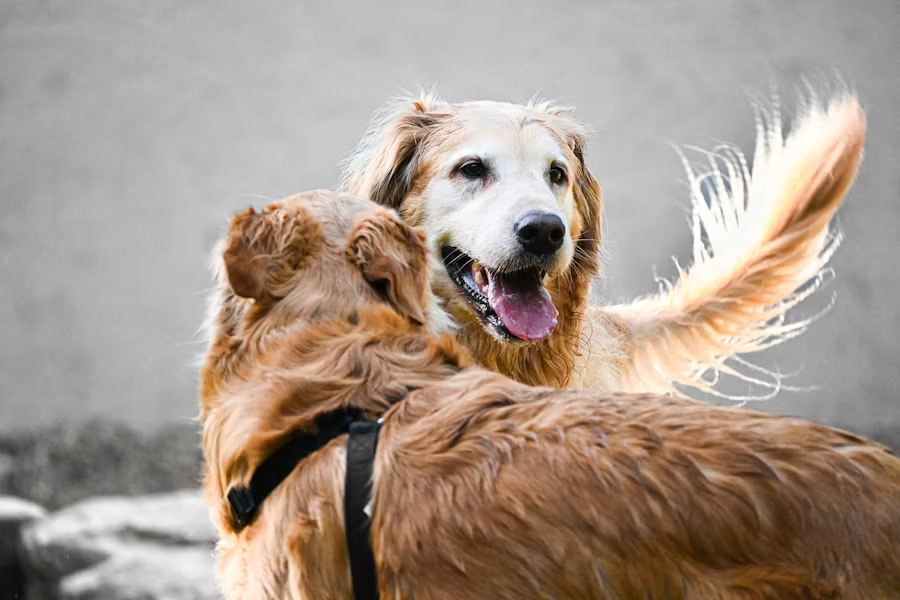
Let the Dogs get to Know Each Other
- Start with a Walk. Instead of bringing the dogs nose-to-nose right away, begin by walking in the same direction several feet apart. As both dogs relax, you can gradually decrease the distance between them.
- Keep Greetings Short. When both dogs appear comfortable, allow a brief sniff, then continue walking together. There's no need to force a long interaction. Several short, positive greetings are often more successful than one lengthy meeting.
- End on a Good Note. If both dogs remain relaxed for 10 or 15 minutes, that's a great place to stop. Ending while things are still going well helps build positive associations for the next visit.
Reading a Dog's Body Language
Every dog communicates differently, but paying attention to body language can help you decide when to move forward and when to slow down.
Signs They're Comfortable
Look for:
- Loose, relaxed body posture
- Soft eyes
- Curved, relaxed tail wagging
- Sniffing the ground or surroundings
- Play bows
- Choosing to move away and re-engage comfortably
Signs To Slow Down
Create more space if you notice:
- Stiff body posture
- Hard staring
- Raised hackles
- Growling paired with tense body language
- One dog repeatedly blocking, pinning, or overwhelming the other
Remember, not every growl means a fight is about to happen. Dogs use growls to communicate discomfort. Paying attention to those early signals gives you an opportunity to calmly change the situation before stress increases.
If Things Feel Tense
If either dog seems uncomfortable, calmly guide them apart and give everyone a chance to reset.
Avoid scolding or punishing growling. Growling is communication, and responding calmly helps dogs continue expressing how they're feeling in safe ways.
Distance, patience, and positive reinforcement are usually much more effective than correction or punishment.
Bringing Everyone Home
Once both dogs have had a positive introduction, it's time to help them settle into life together.
Help Everyone Adjust
- Introduce one resident dog at a time if you have multiple dogs.
- Feed each dog in separate areas.
- Keep favorite toys, bones, and other high-value items separate during the adjustment period.
- Give each dog access to their own quiet space for breaks.
- Supervise interactions until you're confident everyone is comfortable together.
Using baby gates or separate rooms isn't a sign something is wrong. Just like people, dogs sometimes need space to rest and decompress.
Introducing Puppies to Adult Dogs
Puppies are still learning how to communicate with other dogs and may not recognize when an older dog needs a break.
A well-socialized adult dog may use a growl or brief correction to set boundaries. This is often a normal part of canine communication.
Continue supervising all interactions closely, and make sure your adult dog has opportunities to rest away from the puppy each day.
When to Ask for Help
Most dogs need time to build a relationship, and it's normal to have small bumps along the way. If you're feeling unsure, reaching out early can make the transition easier for everyone.
Contact a professional if:
- The dogs are injuring one another.
- Conflicts become more frequent or more intense.
- Aggression is directed toward people.
- You're concerned about either dog's safety.
Finding the Right Support
- Start by talking with your veterinarian to rule out any medical concerns that could be affecting behavior.
- If additional support is needed, ask for a referral to a certified trainer or behavior professional who uses force-free, positive reinforcement methods.
- Many multi-dog households become successful with the right guidance and a little patience.
Dog training classes and behavior support are available through HSC in Charlotte. From group classes to private sessions, we can help.
Note: HSC's group obedience classes are designed for general training and socialization. For active multi-dog conflict in the home, a one-on-one referral (see professional types above) is the more direct path. Our Pet Help Center can also help point you toward the right resource.
Ready to Welcome Another Dog?
Finding the right match is about more than personality or appearance. Our adoption team is here to help you choose a companion who fits your family's lifestyle, including your current pets.