


Community Cat Services: Trap-Neuter-Vaccinate-Return (TNVR)
The Humane Society of Charlotte supports community cats through Trap-Neuter-Vaccinate-Return (TNVR), a humane approach to managing outdoor cat populations.
Community cats may be stray or feral cats who live outdoors. Through TNVR, cats are humanely trapped, brought to a clinic for spay/neuter surgery, vaccinated against rabies, and returned to their outdoor homes. Cats also receive an ear-tip while under anesthesia to help caretakers identify those who have already been surgically altered.
The Humane Society of Charlotte offers TNVR surgeries at a reduced rate of $50 per cat. Appointments are required.
Si tienes alguna pregunta sobre los servicios TNVR de la Sociedad Protectora de Animales de Charlotte, llama al 704-333-4130 o envía un correo electrónico a spayneuter@humanecharlotte.org.
Saltar a
- ¿Qué es un gato de la comunidad?
- ¿Cómo se puede saber si un gato es salvaje, callejero o de compañía?
- I Found Kittens Outside. What Should I Do?
- What Is Trap-Neuter-Vaccinate-Return (TNVR)?
- How Do I Schedule a TNVR Appointment?
- Where Do I Bring a Community Cat for Surgery?
- How Do I Rent a Humane Cat Trap?
- Ventajas del programa TNVR
- How to Help Stray and Feral Cats
- How Can I Keep Cats Out of My Yard?
- Community Cat FAQs
¿Qué es un gato de la comunidad?
Community cats are outdoor cats who may be stray or feral. Some have neighborhood caretakers who provide food and other support. Depending on their level of socialization, some community cats may be uncomfortable around people and may not be suited to life in a traditional home.
Learn more about community cats and the services available through HSC.
¿Cómo se puede saber si un gato es salvaje, callejero o de compañía?
Stray, feral, and pet cats can look similar, but their behavior around people may offer clues about their level of socialization.
Gatos callejeros
Feral cats have had limited physical contact with humans and are typically fearful of people. They may:
- Hide or move away when approached.
- Crouch or stay low to the ground.
- Avoid eye contact.
- Remain quiet rather than meowing or purring.
- React defensively if cornered.
- Have a clean, well-kept coat.
Gatos callejeros
Stray cats have been socialized with people at some point in their lives. Under the right circumstances, they may be able to readjust to living in a home. They may:
- Approach people, homes, or cars.
- Make eye contact.
- Walk with their tails held high.
- Meow in response to people.
- Appear dirty or disheveled.
- Allow some petting.
Gatos domésticos
Pet cats may exhibit behaviors similar to stray cats. They are generally socialized to people and may approach people, accept touch, or vocalize to get attention.
Behavior alone cannot confirm whether a cat has a home. Some owned cats spend time outdoors, so consider the situation before deciding how to help.Pet cats may exhibit behavior similar to strays. However, since these felines are more socialized, they are more likely to approach you and be accepting of touch. They may also be more vocal.
I Found Kittens Outside. What Should I Do?
Finding kittens outdoors can be concerning, but removing them from their environment right away may separate them from a mother who is still caring for them.
Use the following questions to help assess the situation. You can also refer to The Kitten Lady’s CASA method, which considers Condition, Age, Situation, and Abilities.
Do the Kittens Appear Ill or Injured?
If the kittens appear ill or injured, contact a veterinary clinic or Charlotte-Mecklenburg Animal Care & Control at 311. If you are outside Mecklenburg County, call 704-336-7600.
Are the Kittens at Least Two Months Old?
At around two months old, kittens can typically eat independently, move with good coordination, and weigh about two pounds. If the kittens are old enough and friendly, you can begin looking for loving homes. If they are younger, leave them in place and periodically check whether their mother returns.
Is the Mother Cat Nearby?
If the mother returns within a few hours, she may be caring for her kittens. You can help by providing food and a dry, clean shelter. Once the kittens have been weaned and can eat wet food, you can bring them into your home and prepare them for adoption. You can also attempt to trap the mother for TNVR surgery.
If the mother does not return, the kittens may be orphaned and need round-the-clock care. Contact Charlotte-Mecklenburg Animal Care & Control at 311, or 704-336-7600 if you are outside Mecklenburg County. For additional guidance, refer to the CASA flyer from The Kitten Lady. Visit The Kitten Lady’s website.
What Is Trap-Neuter-Vaccinate-Return (TNVR)?
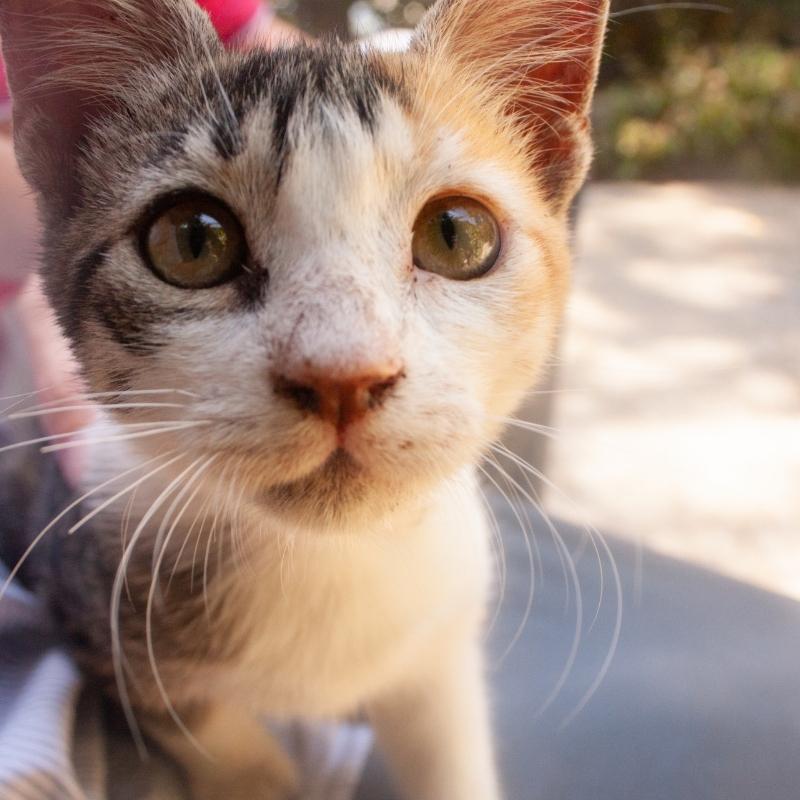
TNVR is a humane method of managing community cat populations. The process includes:
- Humanely trapping community cats.
- Spaying or neutering cats.
- Vaccinating cats against rabies.
- Surgically removing the tip of the left ear, known as ear-tipping.
- Returning healthy cats to the locations where they were trapped.
TNVR helps community cats live healthier lives while reducing reproduction among outdoor cat populations.ur Clinic to schedule an appointment at 704-333-4130.
¿Qué es el «ear-tipping»?
While a community cat is under anesthesia for spay/neuter surgery, the veterinarian removes the tip of the left ear. This is a widely recognized sign that a cat has already been surgically altered.
Ear-tipping helps caretakers and trappers identify cats who do not need to return to the clinic for surgery.
Please note that an intact ear does not necessarily mean a cat needs spay/neuter surgery. Some outdoor cats may be owned and may have already been altered.
How Do I Schedule a TNVR Appointment?
The Humane Society of Charlotte provides community cat spay/neuter surgeries for $50 per cat.
Appointments must be scheduled in advance and are no longer available on a first-come, first-served basis. Availability is limited, and HSC can accommodate a maximum of two cats per caretaker, per day for TNVR services.
Call the HSC Spay/Neuter Clinic at 704-333-4130 to schedule an appointment. Please schedule your appointment before attempting to trap a cat.
Where Do I Bring a Community Cat for Surgery?
All TNVR surgeries take place at the Humane Society of Charlotte Spay/Neuter Clinic.
1348 Parker Drive
Charlotte, NC 28208
Community Cat check-in begins at 8:00 a.m. Cats are typically ready for pickup later that same day.
All cats must arrive in humane traps, with each cat in its own individual trap. Cats cannot be accepted in carriers, crates, or other containment devices. Detailed post-surgery care instructions will be provided when you pick up your cat or cats.
How Do I Rent a Humane Cat Trap?
If you do not have access to a humane cat trap, you can rent one through HSC.
Trap rentals are available Monday through Friday, from 8:00 a.m. to 3:45 p.m.
The rental fee is $10 per trap for 14 days. Rental fees are nonrefundable and do not offset spay/neuter costs. These fees help HSC maintain the trap bank.
A credit card must be placed on file as part of the rental agreement, although the initial rental fee may be paid in cash.
If a trap is not returned by the agreed-upon date, an $80 trap replacement fee will be charged to the card on file.
Trapping Guidelines
Please download our Trapping Guidelines for instructions on operating our traps.
Do not attempt to trap a cat more than two days before your scheduled appointment.
Ventajas del programa TNVR
El programa TNVR mejora la calidad de vida tanto de los gatos callejeros como de los salvajes en Charlotte, al tiempo que reduce al mínimo las molestias que pueden causar a sus vecinos humanos. Además, ayuda a las organizaciones de protección animal a distribuir mejor sus recursos y a atender a los animales que más lo necesitan.
Cómo ayudar a los gatos callejeros y asilvestrados en Charlotte
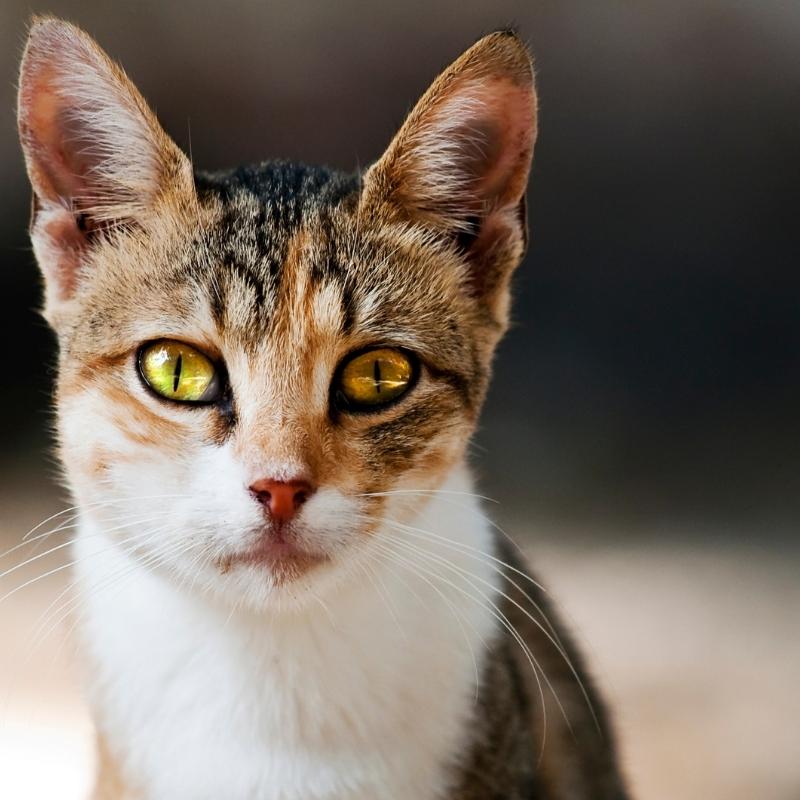
If you see an outdoor cat in your neighborhood, look for a tip missing from the left ear. This may indicate that the cat has already been spayed or neutered.
If the cat does not have an ear-tip, contact the HSC Spay/Neuter Clinic to discuss scheduling a TNVR appointment before attempting to trap the cat.
Paso 1: Busca una almohadilla para los oídos
Si al gato le falta la punta de la oreja izquierda, se trata de un gato de la comunidad que ya ha sido esterilizado. Si la oreja sigue intacta, pasa al paso dos.
Paso 2: Concertar una cita para el programa TNVR
We expect appointments to be in high demand, please ensure you are able to schedule an appointment before attempting to trap. Call our Clinic to schedule an appointment at 704-333-4130.
Paso 3: Alquilar una trampa para gatos
Si no tienes acceso a una trampa para gatos respetuosa con los animales, puedes alquilar una a través de la Sociedad Protectora de Animales de Charlotte.
Trap rentals are available Monday through Friday between the hours of 8:00 am – 3:45 pm. The trap rental fee is $10 for 14 days.
Es necesario disponer de una tarjeta de crédito para formalizar el contrato de alquiler de la trampa. Si la trampa no se devuelve en la fecha acordada, se cargará en la tarjeta registrada una tasa de sustitución de 80 dólares.
Paso 4: Coloca la trampa
Coloca la trampa en un lugar tranquilo, apartado y con temperatura controlada. Para atraer al gato hacia la trampa, utiliza golosinas con un olor muy intenso, como comida húmeda o pescado en conserva. Para obtener los mejores resultados, lee nuestras directrices para la captura de gatos callejeros. Por favor, no intentes atrapar a un gato más de dos días antes de tu cita.
Nota: NO coloques la trampa en días de mucho calor ni en condiciones meteorológicas extremas. Un gato puede morir de hipotermia o de un golpe de calor.
Paso 5: Servicios de esterilización y castración
Si consigues atrapar al gato, cubre la trampa con una toalla grande o una sábana para tranquilizarlo. A continuación, lleva al gato dentro de la trampa a la Sociedad Protectora de Animales de Charlotte el día de tu cita programada.
Paso 6: Deja libre al gato
Cuando el gato se haya recuperado de la operación de esterilización, suéltalo en el mismo lugar donde lo capturaste. Asegúrate de colocar la trampa lejos de peligros como las calles con mucho tráfico.
¿Puedo deshacerme de los gatos callejeros o evitar que entren en mi jardín?
Si un gato de la comunidad rebusca en tu basura o deja huellas de patas en tu coche, hay algunas medidas sencillas que puedes tomar para modificar el comportamiento de ese gato callejero o asilvestrado.
Por ejemplo, podrías plantearte lo siguiente:
- Cómo sujetar las tapas de los cubos de basura con cuerdas elásticas
- Esparcir elementos aromáticos, como posos de café y cáscaras de naranja, por tu jardín
- Colocar un refuerzo (por ejemplo, una rejilla o malla metálica) alrededor del porche
- Rociar las zonas con vinagre blanco para eliminar el fuerte olor a orina de gato
- Alquilar dispositivos disuasorios respetuosos con los animales, como aspersores que se activan con el movimiento o dispositivos acústicos, en el Servicio de Cuidado y Control de Animales de Charlotte Mecklenburg
Aunque estos métodos pueden disuadir a los gatos de entrar en tu jardín, el programa TNVR es la forma más eficaz de reducir el número de gatos callejeros y asilvestrados que viven en tu barrio.
Preguntas frecuentes sobre los gatos callejeros en Charlotte
¿Es seguro que los gatos vivan al aire libre?
Los gatos que viven al aire libre están expuestos a muchos peligros, desde el tráfico hasta los depredadores y las enfermedades. Sin embargo, algunos gatos callejeros de Charlotte se desenvuelven muy bien en el exterior. Dado que lo único que conocen es la vida al aire libre, la adaptación a un entorno doméstico convencional les resultaría muy estresante.
¿Son peligrosos los gatos callejeros?
En general, no. Aunque algunos gatos de la comunidad pueden arañar o morder si se ven acorralados, suelen evitar el contacto con los humanos. Las investigaciones también indican que los gatos callejeros y salvajes rara vez son portadores de gérmenes que puedan enfermar a una persona.
¿Se puede adoptar un gato de la comunidad?
Depende. Es muy poco probable que los gatos salvajes que nunca han tenido contacto con humanos se conviertan en mascotas. Sin embargo, los gatos callejeros sí pueden convertirse en mascotas si se les da tiempo para volver a acostumbrarse a los humanos. También puedes echar un vistazo a nuestra página web si te gustaría adoptar un gato en Charlotte.