



Your First Two Weeks With The Dog
The first two weeks with your new dog are all about building trust, creating routines, and helping them feel at home. You don't have to do everything perfectly. Small, consistent habits can help your new companion settle in and set both of you up for success. This guide walks through what to focus on during those first days, from housetraining to building confidence.
Why the First Two Weeks Matter
Every interaction helps your dog learn about their new home. The routines you build now can make everyday life easier for both of you.
That doesn't mean you need to have everything figured out immediately. Your dog is adjusting to a brand-new environment, and you're getting to know each other. Focus on consistency, patience, and celebrating small wins along the way.
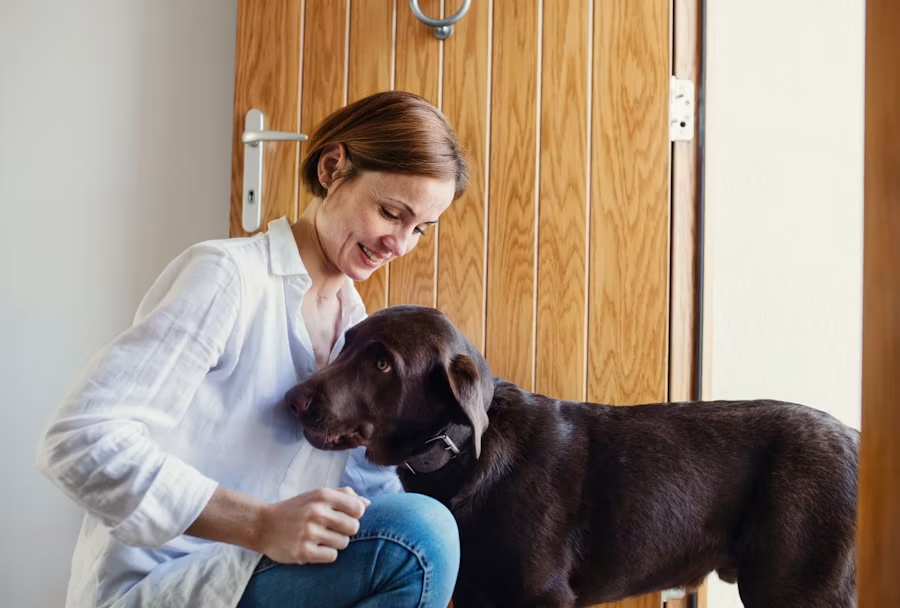
Many people wonder if they should wait a few days before introducing routines or training. In most cases, it's actually helpful to begin gentle routines from day one. Clear expectations, paired with positive reinforcement, help dogs understand what to expect and feel more confident in their new home.
Remember, routines don't have to be strict to be effective. The goal is simply to help your dog understand what daily life looks like while giving them time to adjust.
Week One: Help Your Dog Settle In
During the first week, keep life simple.
Focus on:
- Establishing a consistent potty routine
- Helping your dog get comfortable with their sleeping area or crate
- Keeping introductions calm and positive
- Beginning simple skills like responding to their name or sitting for treats
- Redirecting chewing toward appropriate toys
- Giving your dog plenty of opportunities to rest
Your dog may sleep more than usual or seem quieter than expected. That's completely normal during the adjustment period.
Week Two: Build Confidence
As your dog becomes more comfortable, you can slowly introduce new experiences.
Consider
- Meeting a few new people
- Exploring new walking routes
- Continuing your potty routine
- Gradually increasing supervised freedom around the house
- Practicing basic skills in different environments
- Enrolling in a positive reinforcement training class, like the ones HSC offers
Go at your dog's pace. Some dogs are ready for new experiences quickly, while others need more time.
Building a Potty Routine
House training is less about correcting mistakes and more about creating opportunities for success.
The more consistently you take your dog outside and reward them for going in the right place, the faster they'll understand what you're asking.
A Simple Potty Schedule Includes Regular Trips Outside
- First thing in the morning
- About an hour after waking
- Every couple of hours throughout the day
- After meals
- After playtime
- After naps
- Before going into the crate
- Right before bedtime
A consistent routine helps remove the guesswork during those first weeks. Preventing accidents through supervision and regular potty breaks is much more effective than trying to correct them afterward.
If They Don't Go outside
Sometimes your dog won't potty when you expect them to. That's okay.
Bring them back inside and keep them closely supervised or let them rest in their crate for a short period before trying again.
Think of housetraining as building a routine, not following a rigid schedule. Outside, success, praise, repeat. Consistency and positive reinforcement help your dog learn while strengthening your bond together.
Setting Your Dog Up For Success
Helpful Habits
- Show your dog where you'd like them to potty as soon as you arrive home.
- Take frequent potty breaks, especially during the first few weeks.
- Supervise your dog closely indoors.
- Offer plenty of appropriate chew toys.
- Redirect unwanted chewing instead of punishing it.
- Introduce new people, pets, and experiences gradually.
- Give your dog access to a comfortable space where they can relax.
- Consider enrolling in a positive reinforcement training class early.
Try To Avoid
- Giving your dog full access to the entire house before they've learned the routine.
- Overloading them with visitors or busy outings during the first week.
- Punishing accidents or mistakes.
- Frequently changing household rules or expectations.
Remember, mistakes are part of learning for both you and your dog. Consistency matters much more than perfection.
Creating Safe Spaces
Whether you use a crate, exercise pen, or another designated area, having a quiet place to rest can help your dog feel secure.
A crate should never be used as punishment. Instead, it becomes a predictable, comfortable space where your dog can relax, nap, or enjoy a chew toy while you're unable to supervise.
Many dogs grow to love having a space that's entirely their own.
For additional tips, visit HSC's article, Separation Anxiety in Pets: Tips & Tricks.
Give it Time
Every dog adjusts at their own pace.
Some dogs settle into a routine within a couple of weeks. Others need several months to fully feel at home.
Rather than focusing on a deadline, pay attention to your dog's progress. As accidents become less frequent and your dog consistently makes good choices, you can gradually give them more freedom around the house.
Building trust takes time, and that's okay.
Start Training Early
Training is about much more than teaching commands.
It's one of the best ways to build communication, confidence, and a strong relationship with your dog.
Look for trainers who use force-free, positive reinforcement methods that encourage learning through rewards rather than punishment.
The Humane Society of Charlotte offers dog training classes in Charlotte for every stage. Dog Basics for Everyone is a free beginner-friendly option for new owners, and the Six-Week Group Classes build on that foundation.
Please note: HSC's group classes are built for general obedience and socialization. They are not designed to address potty training, crate training, or separation anxiety directly, since those are in-home behaviors. For hands-on help with those specific challenges, HSC's Pet Help Center can point you toward a certified, force-free in-home trainer.