



Is Your Pet Scared of Storms?
Thunderstorms are a regular part of life in Charlotte, especially during spring and summer. While most of us can rationalize the rumble of thunder overhead, our pets don't have that luxury. If your dog hides under the bed or your cat disappears at the first sign of dark clouds, you're not alone. Storm anxiety is incredibly common in both dogs and cats, and understanding what's happening can go a long way toward helping your pet feel safe.
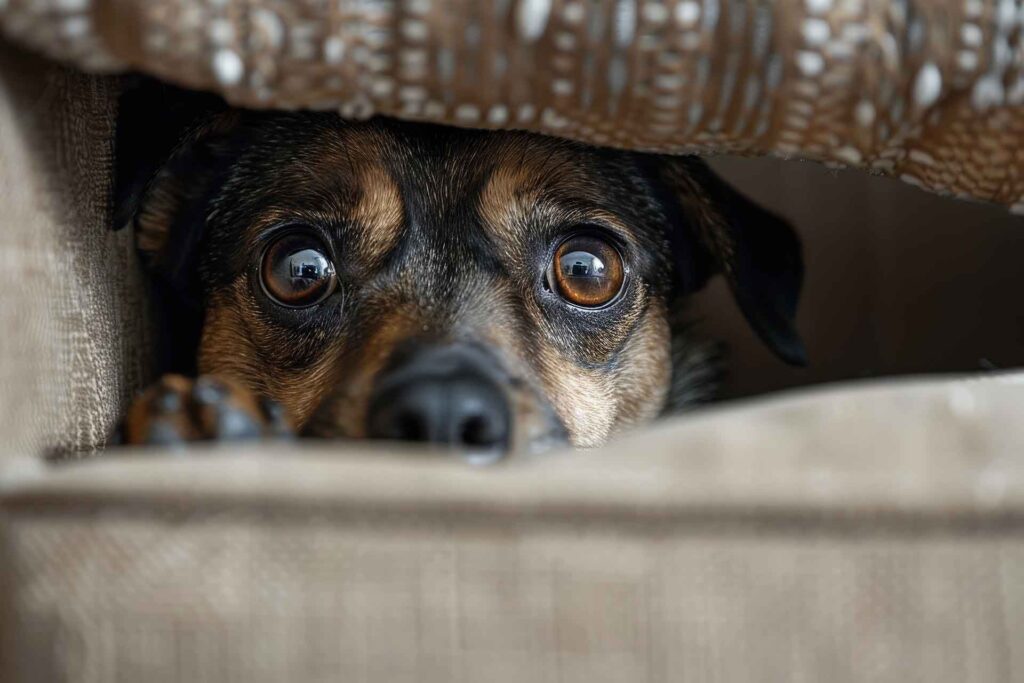
Why Storms Are So Overwhelming for Pets
It's easy to assume it's just the noise that upsets pets during a storm, but there's actually a lot more going on beneath the surface. According to research, around 25 to 50 percent of dogs experience some level of noise aversion, and cats are similarly affected. Here's why storms can feel so threatening to them.
Thunder and loud sounds
Dogs hear much more acutely than humans do. Thunder, which registers between 130 and 200 decibels, can be physically painful for dogs, whose discomfort threshold is significantly lower than ours. The sudden, unpredictable nature of thunder makes it even harder for them to cope.
Barometric pressure changes
Pets often sense a storm before it arrives. Changes in barometric pressure can cause discomfort in their sensitive ears, making them restless and anxious well before the first clap of thunder.
Static electricity
One of the more surprising triggers is static electricity. Research by Dr. Nicholas Dodman of Tufts University's Cummings School of Veterinary Medicine found that dogs may experience small electric shocks through their fur during thunderstorms. This is especially common in larger dogs and those with thick or double coats, which may explain why some dogs head straight for the bathtub or basement when a storm rolls in.
Lightning flashes
The rapid shifts between light and dark caused by lightning can startle and disorient pets, adding another layer of stress to an already overwhelming experience.
Signs Your Pet Is Struggling
Every pet expresses anxiety differently. Common signs in dogs include hiding, trembling, panting, pacing, excessive drooling, barking, or destructive behavior. Cats may retreat to closets or under furniture, vocalize more than usual, or become unusually clingy. In more severe cases, some pets may attempt to bolt or escape to find a place that feels safer, which makes storm preparedness especially important for pet owners.
How to Help Your Pet Through a Storm
The good news is that there are practical things you can do to reduce your pet's distress before, during, and after a storm.
Create a safe space
Let your pet lead you to wherever they naturally feel most comfortable during a storm, whether that's a closet, a crate, or the bathtub. Make that space as cozy as possible with familiar bedding, a favorite toy, and an item of clothing that smells like you. If your dog gravitates toward the bathroom, it may actually be because porcelain helps ground the static electricity they're feeling in their fur.
Bring outdoor pets inside
If your pet normally spends time outdoors, bring them in before a storm arrives. Outdoor pets are especially vulnerable during storms and may panic and try to escape your yard if left outside.
Block out the sensory triggers
Close the curtains or blinds to minimize lightning flashes. Playing calming music or turning on the TV can help soften the impact of sudden thunder. There are even playlists designed specifically to help calm anxious dogs.
Stay calm and offer reassurance
Your energy matters more than you might think. Approach the storm with a calm, steady presence and offer gentle reassurance to your pet. You can absolutely comfort a fearful pet without reinforcing the fear itself. Soft praise, a calm voice, and quiet companionship can make a real difference.
Consider calming tools
Products like ThunderShirts (compression wraps) have helped many pets manage storm anxiety by providing a sense of gentle, constant pressure. Pheromone diffusers, such as Feliway for cats or D.A.P. for dogs, can also help create a calming environment. Talk to your veterinarian about whether any of these options are right for your pet.
Talk to your vet if anxiety is severe
If your pet's fear is intense or worsening over time, don't hesitate to reach out to your veterinarian. Storm phobia can escalate without intervention, and there are both behavioral strategies and, in more serious cases, medication options that can help.
Keeping Your Pet Safe During a Storm
Storm anxiety isn't just emotionally hard on pets. It can also put them in physical danger. A frightened pet may bolt through an open door, jump a fence, or find an escape route you never anticipated. Here are a few steps to help keep them safe.
Make sure your pet is microchipped and wearing ID tags
This is one of the most important things you can do year-round, but it becomes especially critical during storms. If your pet does get out, proper identification gives you the best chance of a quick reunion. If you haven't microchipped your pet yet, our team at HSC can help.
Double-check your yard before a storm hits
Walk the perimeter of your fence line to check for any gaps or weak spots that a panicked pet could push through.
Keep doors and windows secured
During a storm, make sure all exits are closed. It only takes a moment for a frightened pet to dash out.
You Know Your Pet Best
Storm season in Charlotte doesn't have to be a source of dread for you or your furry family members. With a little preparation and a lot of patience, you can help your pet feel more secure when the skies turn gray. Every pet is different, so give yourself grace as you figure out what works best for yours. And remember, we're here to help however we can.