



Your Kitten’s First Year: Growth, Development, and What to Expect
Welcoming a kitten into your family is exciting, rewarding, and often full of surprises. Those early weeks of tiny paws, playful pounces, and endless curiosity pass quickly. Before you know it, your kitten is climbing to the highest perch in the house and confidently letting you know when dinner should be served.
Understanding the stages of kitten development can help you build a strong foundation for a lifetime of companionship. At the Humane Society of Charlotte, we believe every cat deserves the care, support, and human connection needed to thrive.
If you've been caring for a very young kitten, our articles on caring for kittens under 5 weeks and feeding and care for kittens 5 weeks and older cover those early stages in detail. This post picks up where those leave off and walks you through what comes next.
Kittens 8 to 12 Weeks
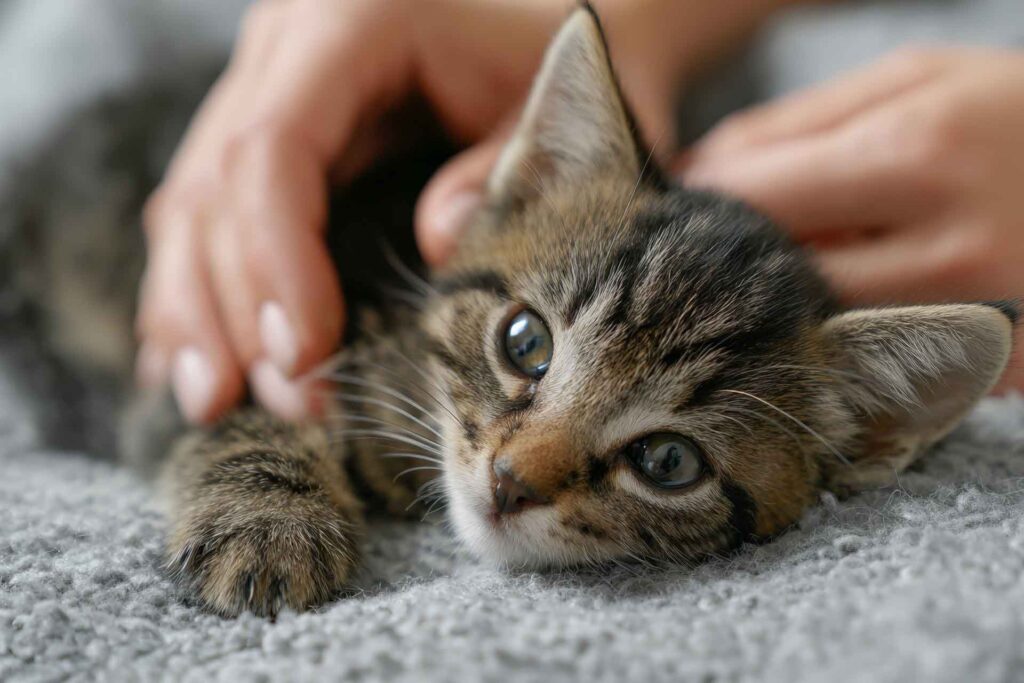
By 8 weeks, a kitten's primary physical development is largely complete. Their eyes will have begun shifting from blue to their adult color, all their baby teeth will have grown in, and they'll be fully coordinated and ready to explore. This is the stage when many kittens join their new families.
They're social, playful, and absorbing everything around them.This is also one of the most important periods for socialization. Positive experiences with people, household sounds, gentle handling, carriers, scratching posts, and routine care can help your kitten grow into a confident adult cat.
The first 12 weeks of a kitten's life are considered the most important for learning how to interact with people and other animals, so gentle, consistent handling and positive exposure to new experiences during this time pays off for years to come. Introduce your kitten to different sounds, people, and areas of your home at a pace they're comfortable with.
From a health standpoint, your kitten should receive their first rabies vaccine at around 12 weeks, following the initial FVRCP vaccines that began between 6 and 8 weeks. Stay on schedule with your vet for boosters and any additional recommended vaccines. You can also keep up with vaccines and care by booking an appointment with HSC’s Essential Care Clinic.
Every kitten develops at their own pace, so work closely with your veterinarian to determine the vaccination schedule that's right for them.
Kittens 3 to 6 Months
This is a period of rapid growth and big personality. Kittens between 3 and 6 months are still very playful and curious, and they're actively refining their coordination, hunting instincts, and social skills. You may notice your kitten becoming more adventurous during play, leaping higher, exploring new spaces, and testing the boundaries of their environment.
This is an excellent time to establish routines around scratching, grooming, nail trims, and handling. Positive experiences now can make future veterinary visits and routine care less stressful for both you and your cat. One of the most important health milestones during this stage is spay or neuter surgery.
Cats can reach sexual maturity as early as 4 months of age, and most veterinarians recommend the procedure between 4 and 6 months. Spaying and neutering reduces the risk of certain cancers, prevents unwanted litters, and helps curb behaviors like spraying and roaming before they start.In addition to preventing unwanted litters, spaying and neutering helps support community-wide efforts to reduce pet homelessness and improve animal welfare.
If you're in the Charlotte area, the Humane Society of Charlotte offers low-cost spay and neuter services to help make this important step more accessible for our community.
Kittens 6 to 12 Months
If your kitten suddenly seems more independent, more energetic, and occasionally determined to test the rules, welcome to adolescence.At around 6 months, kittens enter an adolescent phase marked by increased energy, curiosity, and boundary-testing behavior, much like the teenage years in humans. You may notice increased scratching, climbing, vocalization, or curiosity as your kitten continues developing physically and socially.
Most cats reach 80 to 90 percent of their adult size by around 9 months, though they'll continue to fill out and mature behaviorally for a while longer. Plenty of interactive play during this stage is essential. Puzzle feeders, wand toys, cat trees, window perches, scratching surfaces, and interactive play sessions all help provide important physical and mental enrichment.
By the time your kitten reaches their first birthday, they are officially considered an adult cat. Developmentally, however, adolescence can linger until around 18 months, so don't be surprised if the zoomies and furniture sprinting continue a little longer.
When to Switch to Adult Cat Food
One of the most common questions new cat owners have is when to make the switch from kitten food to adult food. The answer is around 12 months. Kitten food is specially formulated with higher levels of protein, fat, and calories to support rapid growth, and keeping your kitten on kitten food until they're at least a year old ensures they get the nutrition they need to develop properly. Switching too early can mean missing out on key nutrients during a critical growth window.
When you're ready to make the transition, take it gradually. Mixing adult food into their kitten food over 7 to 10 days gives their digestive system time to adjust and makes the switch much smoother.
If you're unsure which diet is best for your cat, your veterinarian can help you choose a food that supports their age, activity level, and overall health.
Your Kitten's First Year
Watching a kitten grow into an adult cat is one of the most rewarding parts of sharing your life with a pet. The experiences you provide during those first months help shape how your cat interacts with the world for years to come. The socialization, enrichment, routine veterinary care, and patience you invest now all contribute to a confident, healthy, and well-adjusted companion. Small daily interactions, from play sessions to quiet cuddle time, help strengthen the bond you share.
If you have questions along the way, your veterinarian is one of your best resources. HSC is also here to help through affordable veterinary services, low-cost spay/neuter programs, educational resources, and adoption services designed to support pets and the people who love them.
Whether you're raising a playful kitten or welcoming an adult cat into your family, we're proud to help create a more compassionate community for animals and people alike.
FAQs about Kitten Growth Stages
When should I get my kitten spayed or neutered?
Most veterinarians recommend spaying or neutering between 4 and 6 months of age. Cats can reach sexual maturity as early as 4 months, so scheduling the procedure during this window helps prevent unwanted litters and curbs behaviors like spraying and roaming before they start. It also reduces the risk of certain cancers. If you are in the Charlotte area, the Humane Society of Charlotte offers low-cost spay and neuter services to help make this step more accessible. If you adopt a kitten from HSC, they will already be spayed or neutered before going home.
When do kittens stop being kittens?
Most cats are considered adults at 12 months of age. However, developmentally, adolescence can linger until around 18 months, so it is common to see playful, high-energy kitten behavior continue a little beyond their first birthday. Some larger breeds, like Maine Coons, may take up to 2 years to fully mature.
When should I switch my kitten to adult cat food?
The right time to transition your kitten to adult food is around 12 months of age. Kitten food is formulated with higher levels of protein, fat, and calories to support rapid growth, and switching too early can mean missing out on key nutrients during a critical development window. When you are ready to make the switch, mix adult food into their kitten food gradually over 7 to 10 days to avoid digestive upset. If your kitten has special dietary needs or health concerns, talk with your veterinarian before making any food changes.
When does a kitten's eye color change?
Most kittens are born with blue eyes. Their eye color typically begins changing between 6 and 8 weeks of age and is often fully developed by 3 to 4 months, though some cats may continue developing their final eye color until around 6 months.
How much should I play with my kitten?
Kittens need regular opportunities for active play every day. Short play sessions throughout the day help build confidence, provide exercise, support healthy development, and strengthen your bond. Interactive toys such as wand toys are often the best choice because they encourage natural hunting behaviors.